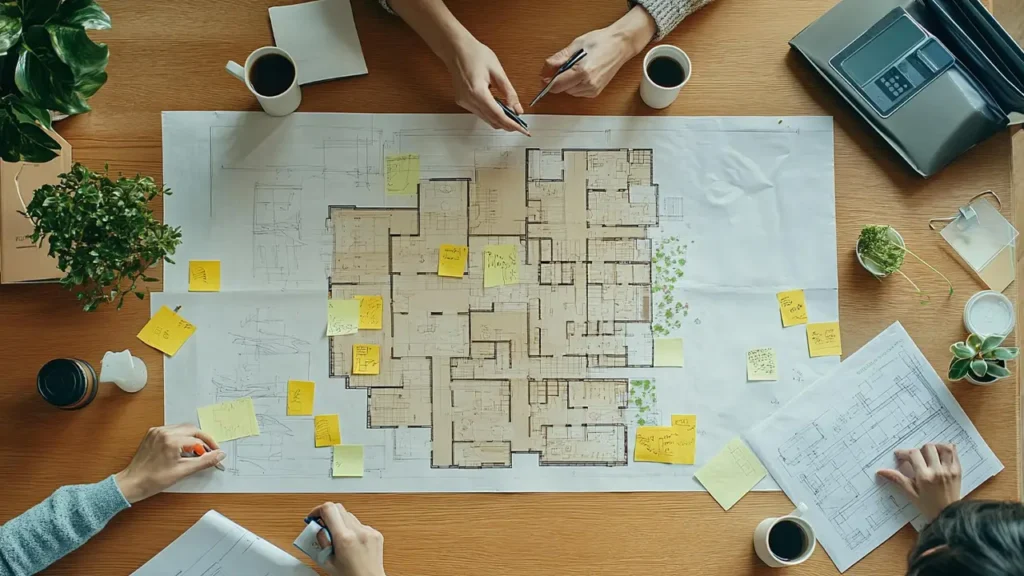
Space planning is one of the most important aspects of interior design, yet it is often overlooked by homeowners. A beautifully decorated home may still feel uncomfortable if the space is not planned properly. Effective space planning ensures that every area of a home is functional, comfortable, and visually balanced.
The primary goal of space planning is to create efficient layouts that improve movement and usability. Interior designers carefully analyze room dimensions, furniture placement, circulation areas, lighting, and functionality before finalizing a design. This process helps maximize available space while maintaining comfort and aesthetics.
Modern homes often have limited space, especially in urban areas. Smart space planning helps homeowners make the most of compact rooms without creating a crowded environment. Designers use techniques such as multifunctional furniture, built-in storage, open layouts, and custom cabinetry to optimize space efficiently.
Furniture placement plays a major role in space planning. Incorrectly placed furniture can block movement, reduce natural light, and make a room feel smaller. Proper furniture arrangement creates balance, improves accessibility, and enhances the overall flow of the home.
Open floor concepts have become increasingly popular in modern interior design. Combining living, dining, and kitchen areas creates a spacious and connected environment. Open layouts improve natural lighting and ventilation while making the home feel larger and more inviting.
Storage planning is another critical component of interior design. Clutter can significantly affect the appearance and functionality of a home. Smart storage solutions such as wall-mounted units, hidden compartments, modular wardrobes, and under-bed storage help maintain an organized and clutter-free environment.
Lighting also influences space perception. Proper lighting techniques can make rooms appear larger, brighter, and more welcoming. Natural light is highly valued in modern interiors, while layered artificial lighting adds depth and warmth to spaces.
Color selection and material choices also affect space perception. Light shades and reflective surfaces create a sense of openness, while darker tones can make rooms feel compact. Interior designers carefully choose colors, textures, and finishes to create balanced and visually pleasing interiors.
Space planning is not only about aesthetics; it also affects lifestyle and comfort. A well-planned home improves functionality and creates a stress-free environment for daily living. Comfortable circulation, practical layouts, and organized spaces contribute to better living experiences.
Professional interior designers understand how to combine creativity with functionality. They carefully analyze homeowner needs and design interiors that match both lifestyle and space requirements.
As modern living continues to evolve, space planning has become essential in creating homes that are comfortable, stylish, and highly functional. Thoughtful planning ensures that every square foot is used efficiently while maintaining beauty and elegance throughout the home.